Time Travelling to Ajanta Paintings
What if walls could whisper stories from centuries ago? This blog takes you on a soulful journey through the Ajanta Caves, where every brushstroke reflects devotion, emotion, and the eternal flow of art.
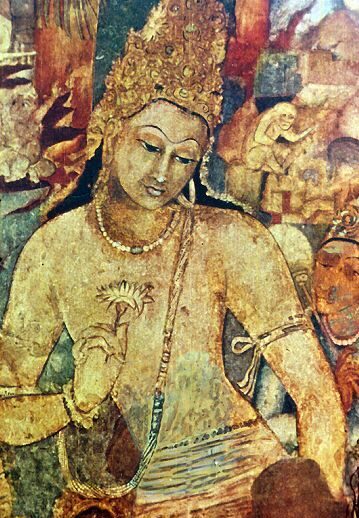
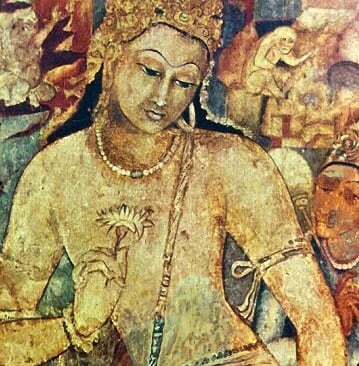
I’ve always found it beautiful that the Ajanta and Ellora caves aren’t listed among the Eight Wonders of the World. In a way, some places are meant to remain slightly hidden ,not because they lack grandeur, but because only those who truly value such wonders will make the journey. I don’t mean to sound dismissive, but the truth is, we all have different tastes, and what resonates deeply with one soul may not touch another at all. So ,we always find what we’re meant to connect with.
I first read about the Ajanta Caves in 5th grade. From that moment on, I dreamt of standing before those ancient walls — of seeing the paintings with my own eyes. They weren’t just images to me; they were time portals. The idea that colors, strokes, and sacred stories could survive over two thousand years was overwhelming even then.
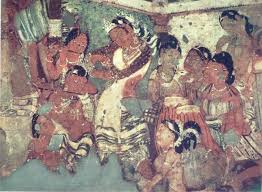
Have you noticed, how everything else in this world changes, fades, or disappears with time, but art remains!
Think about it: from the earliest cave markings to the sculpted stories of our temples, what truly survived? Not kingdoms, not wealth, but art. It is through paintings, sculptures, engravings, and sacred architecture that’s how we still connect with lost eras. We understand the emotions, beliefs, and values of those times — not through textbooks, but through the brushstrokes on cave walls and the carvings etched in stone.
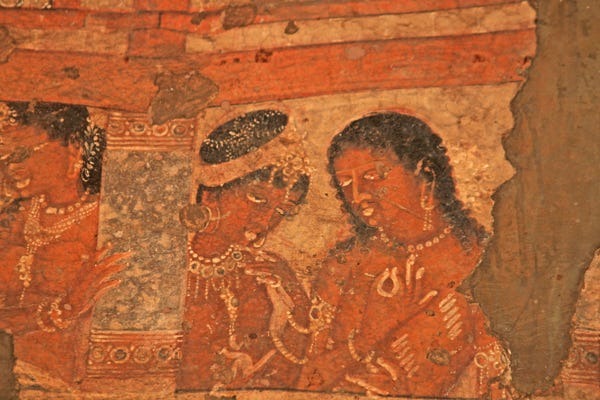
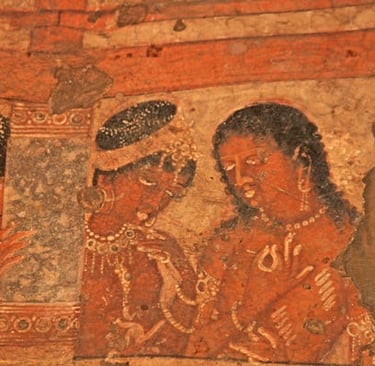
The Ajanta paintings, primarily dating from the Gupta period (around 4th to 6th century CE), are living examples of this eternal language. As you stand before them, you don’t just look — you travel. You are taken back to an age of deep spiritual practice, Buddhist devotion, and refined artistic excellence.
Many of these murals narrate Jataka tales , stories from the previous lives of Lord Buddha, along with depictions of royal processions, hermitages, celestial beings, and moments from the Buddha’s life. There’s a powerful stillness in their eyes, a divine calm in their expressions. The more you gaze, the more you feel drawn into the silence of their world.
These aren’t just paintings. They are conversations between centuries. They are proof that art is time-travel, and that beauty carved with intention never fades.
Do let me know what you think about such time travels.