Picasso – the father of Cubes
Celebrating Picasso’s legacy as the “father of cubes,” this piece reflects on the power of innovation, artistic curiosity, and how seeing the world differently can transform culture and creativity.
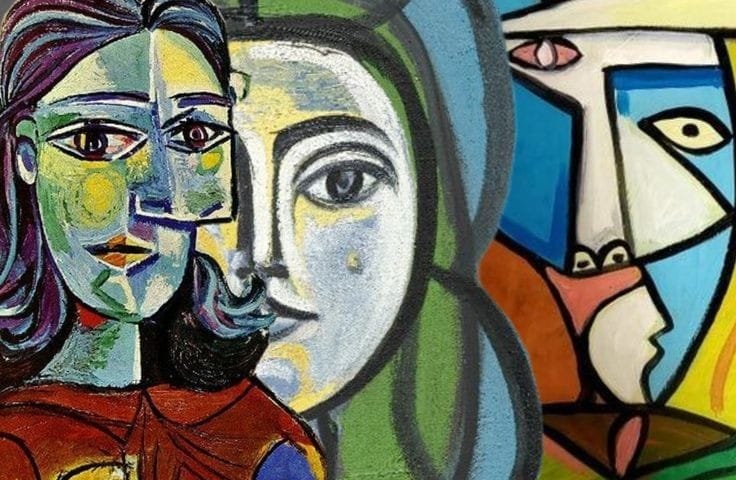
Ignore the bracket (Pablo Diego José Francisco de Paula Juan Nepomuceno María de los Remedios Cipriano de la Santísima Trinidad Ruiz y) — Picasso’s full name — and honestly, no one gives a damn about it. Just like you probably skipped over it while reading this, he would’ve done the same.
But he’s the kind of personality the art world still bends before. Whether you’re an artist or not, Picasso and his work have that aura — you can’t remain untouched for too long without knowing he existed. I might sound rude, but when it comes to details about him, there’s an endless sea of info on the internet. Still, this write-up popped up before you because you’ve aligned yourself with a higher version — the kind that reads what’s not written but echoed through the universe.
Undoubtedly, Picasso’s paintings and other works aren’t mediocre. But there’s always that one saying floating around among laymen:
“My kid could paint like him.”
“Even I can paint like Picasso.”
“Oh, he just makes cartoons.”
And yes, he deserves that kind of criticism — because somehow, everyone can paint like him… but no one actually does.
On the other hand, Picasso created such an impact with his art and personality that he became impossible to ignore. He attracted everyone’s attention effortlessly — whether they praised him or mocked him, they talked about him. That’s power.
I feel like the air of Spain carries a kind of romance in it. So how could it not affect an artist who was born to become The Picasso?
The colors in his paintings drip unhealed pain wrapped in vibrant tones. And maybe that’s why you can’t resist admiring his work — even when you don’t understand what it’s trying to say.
One of my favorite quotes by him is:
“Do you ever know what the birds are singing? You don’t. But you listen to them anyway. So, sometimes with art, it is important just to look.”
And he does make you look.
That’s the aura and emotional aesthetic his work carries.
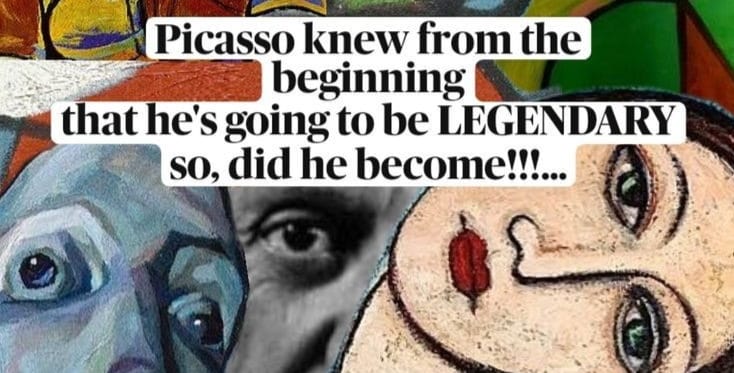
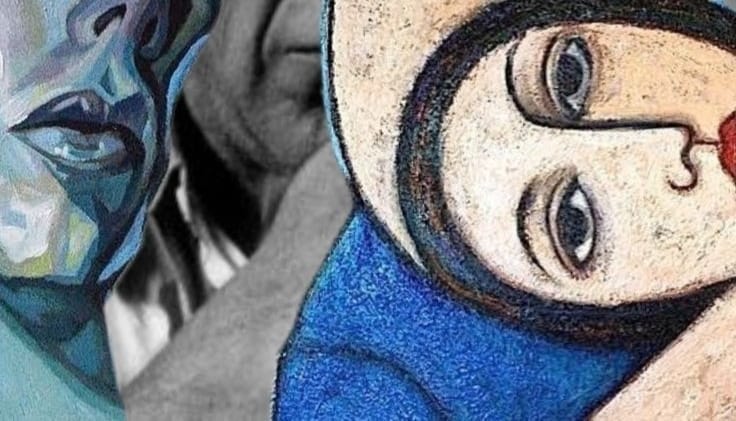
If you observe Picasso’s paintings closely, you’ll notice the eyes.
I feel like those eyes are literally singing a song of longing.
They reveal an artist in search of something — maybe meaning, maybe connection — but all he’s met with is void and emptiness.
And that’s exactly what he imprinted on his canvas.
He became the father of modern art, introducing the world to Cubism — an avant-garde movement that revolutionized European painting and sculpture in the early 20th century.
And Picasso nailed it like a true pioneer.
It was something the world had never seen before, so he made the rules himself.
He was unaware of what was “possible,” and maybe that’s what gave him more freedom to express — to shape a new language in art.
Some of Picasso’s work
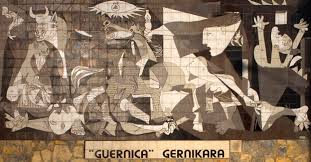
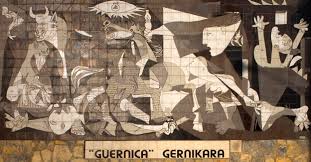
Guernica, 1937
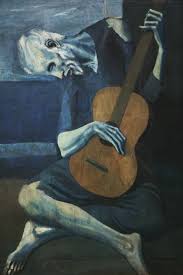
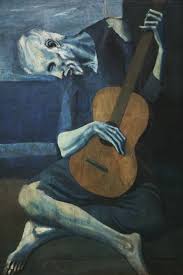
The Old Guitarist, 1904
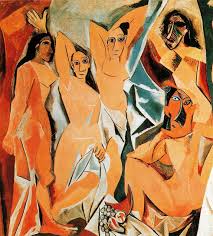
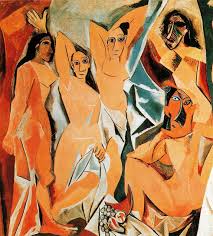
Les Demoiselles d’Avignon, 1907
We’re living on a planet called Earth, but this body — our very being — is a universe in itself. We are far more than what we can ever fully perceive. There’s an entire cosmos within us, waiting to be discovered, explored, and expressed.
Art is one of those rare, magical tools that opens a portal to this inner universe. It allows us to access and express what we can’t always see with our naked eyes — what can only be witnessed through our actions and creative expressions. Whether it’s painting, music, writing, dancing, or singing — the moment we create something, we become creators. And that, in its essence, is art.
Picasso broke all the traditional boundaries of art that had been carried forward since the Gothic period. He didn’t just paint; he rebelled, redefined, and recreated. He established his own style — Cubism — which wasn’t just a technique but a language, a personal universe made of abstract figures, distorted anatomy, powerful gestures, and emotionally charged colors. Every canvas he touched became a mirror of the world he carried inside him.
He became a creator the world needed to witness — a living example that there is always another world waiting to be born through you. Picasso showed us that you can break out of the molds the world puts you in and become something entirely new. He reminded us that we are allowed — even destined — to create a reality that’s entirely our own.
Because in art, just like in imagination, there are no limits.
If this resonated with you, I’d love to hear your thoughts.
Thank you.